
PROPRIETARY METHOD | UNRESTRICTED HUMANS
The method behind results that last.
Most consultants diagnose the problem and hand you a report. Most coaches ask questions and wait for you to find the answers.
We do something different.
The UHG Framework is the structured process that moves every engagement from real diagnosis to real capability, so you can tackle the next hard thing without us.

STRUCTURED DIAGNOSIS
We find the actual problem, not the symptom. Most businesses are solving the wrong thing. The diagnosis changes that.
CO-CREATED SOLUTIONS
Every solution is built with you, not for you. That’s not a philosophy, it’s what makes the results stick after we leave.
CAPABILITY, NOT DEPENDENCY
The goal is that you leave equipped to tackle the next hard thing without us. That’s what we measure success by.
Where business fundamentals meet human capability.
Growth happens at the intersection where operational rigour and human potential are both present and working together.
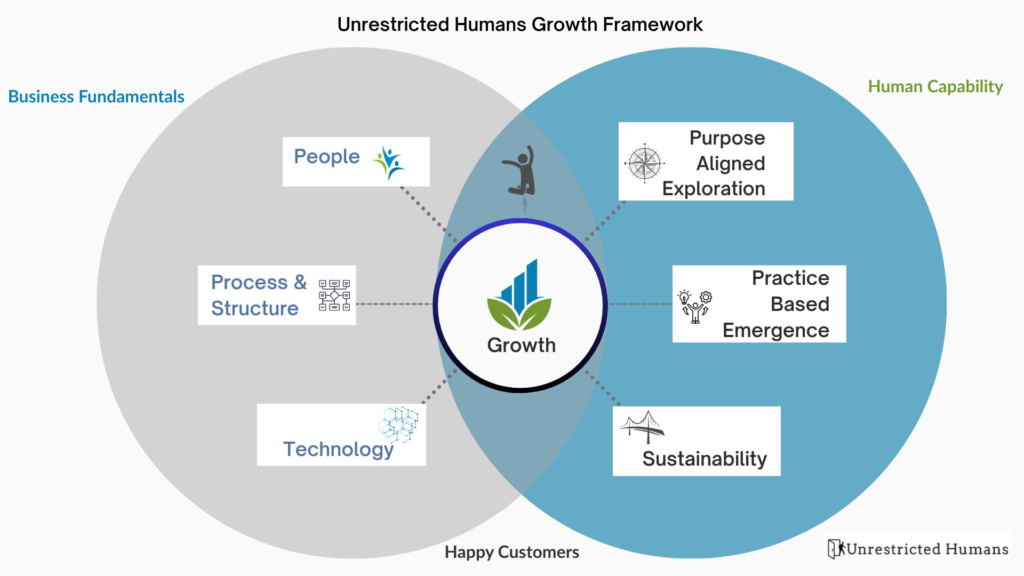
Business Fundamentals
The infrastructure of a working business
The Intersection
Where growth actually happens
Human Capabilities
The potential that good system unlock
People – who does what and why it matters
Process & Structure – how work flows
Technology – tools that enable, not dictate
Real diagnosis before any solution
Co-creation that sticks
Capability that outlasts the engagement
Meaning guiding decisions
Learning by doing not watching
Growth that holds over time
THE THREE STEP PROCESS
How we get results that last.
STEP ONE
1 Diagnose
The most common mistake in business improvement is solving the wrong problem. Most companies are treating symptoms while the root cause quietly compounds. Our diagnosis process is designed to surface what’s blocking progress, not what looks like the problem from the surface.
We use structured interviews, observations and our proprietary diagnostic framework to separate what people say is happening from what’s actually happening. The output isn’t a report – it’s a shared, honest picture of reality that everyone in the engagement has agreed on. That alignment is what makes everything that follows land.
- space
WHAT YOU WALK AWAY WITH
- The actual constraint named clearly
- Root cause, not symptoms
- A shared picture of reality agreed on by the team
- Confidence that you’re solving the right thing
STEP TWO
2 Build together
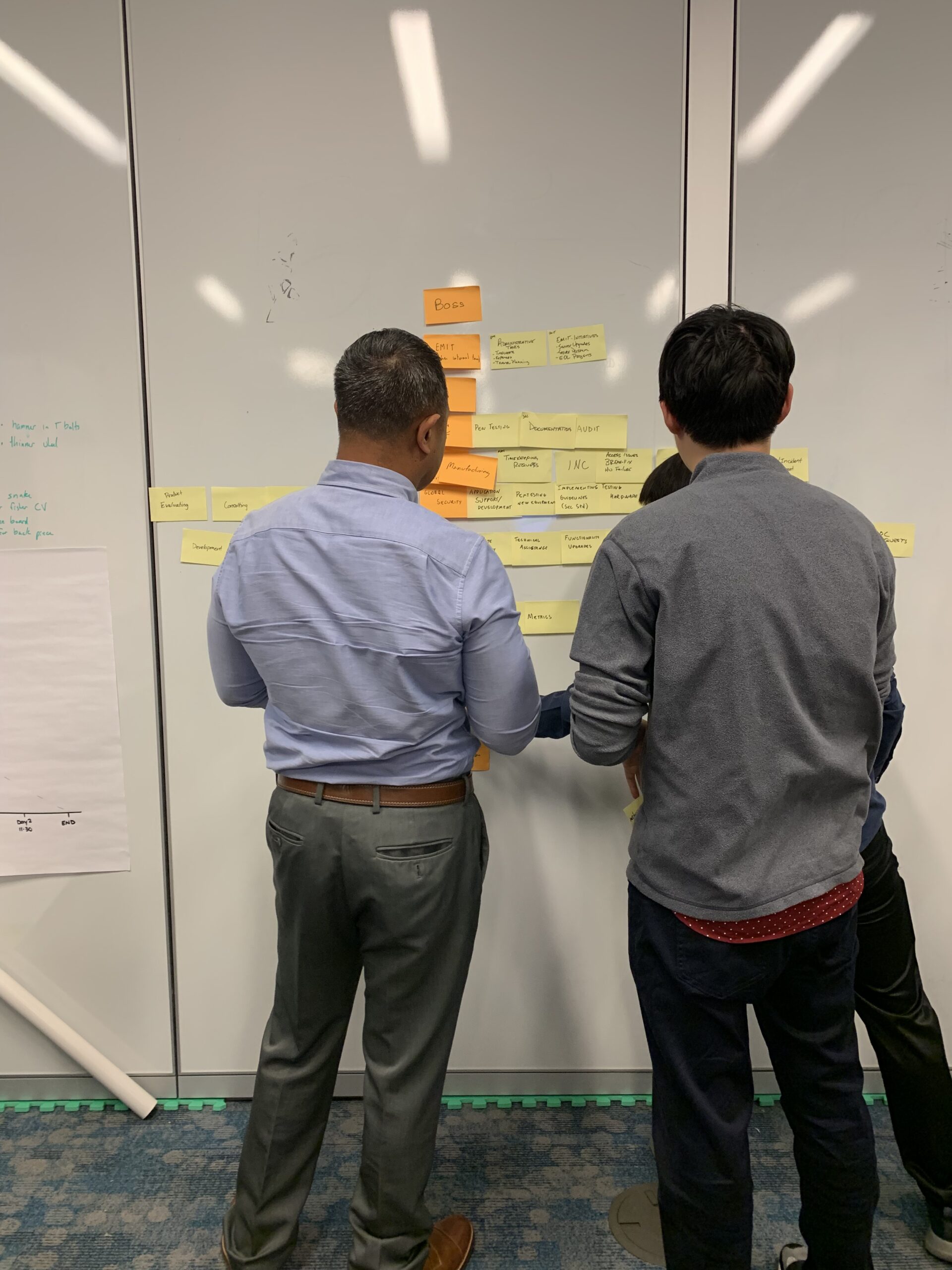
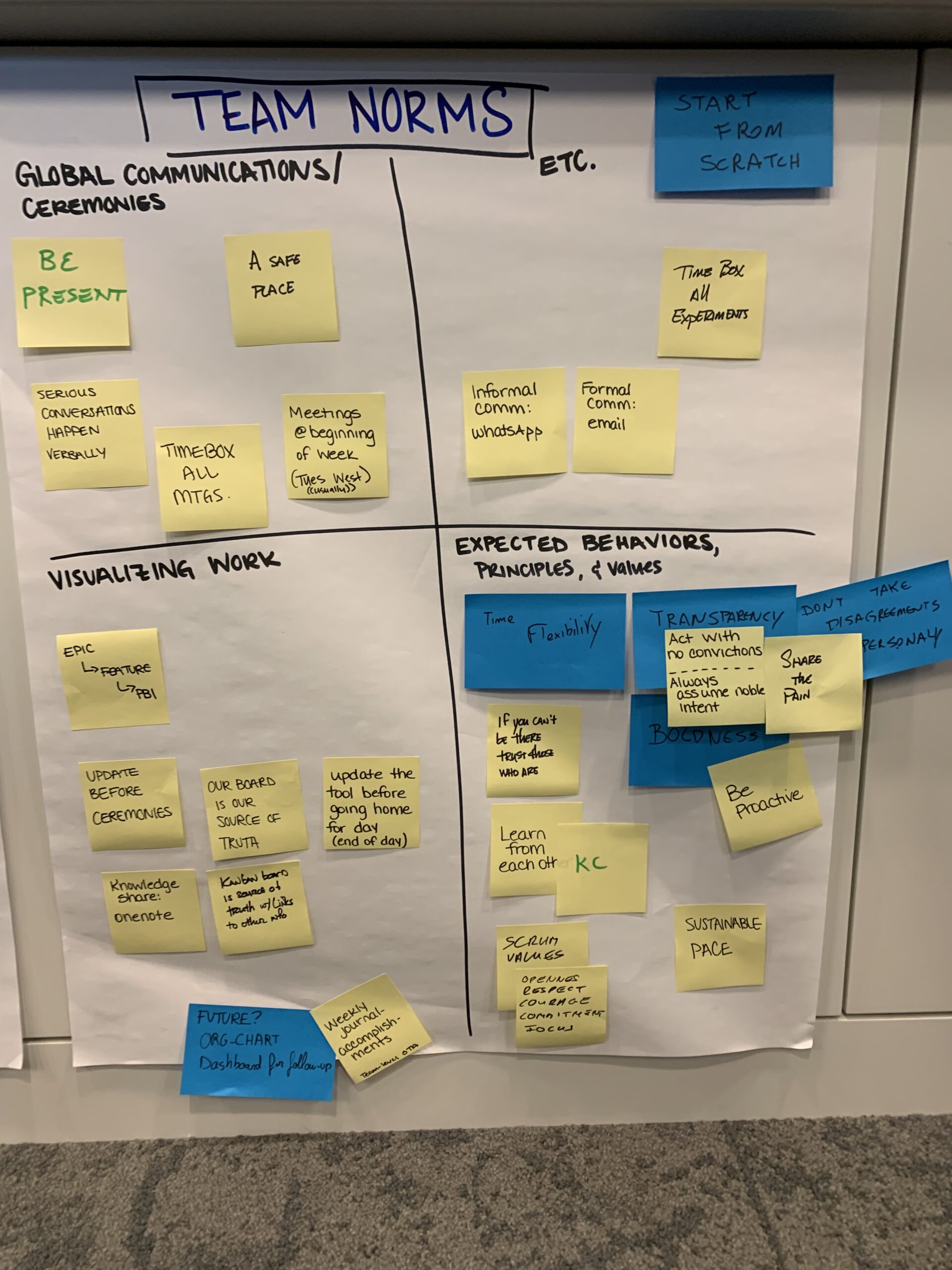
A solution you didn’t build is a solution you won’t use. Every workshop, every framework, every system we develop is co-created with the people who have to live it. We’re not delivering expertise from above, we’re working alongside you to build something that fits your context specifically.
This isn’t the slower path. It’s actually faster – because what we build together doesn’t need to be sold to the team after the fact. It emerges from people who already understand the problem and have shaped the solution. That’s the difference between something that changes behavior and something that ends up in a folder.
- Space
WHAT YOU WALK AWAY WITH
- Solutions built for your specific context
- Team alignment built in, not bolted on
- Workshops and systems you’ve helped shape
- Practical tools ready to use immediately
STEP THREE
3 Own it
The measure of a good engagement is what happens after it ends. We’re not building a dependency, we’re building a capability. By the time we step back, the people in the organization should be able to diagnose the next problem, build the next solution, and run the next review without us in the room.
This is not idealistic – it’s the design. Every session, every co-created tool, every shared framework is built with this end in mind. Success looks like a team that doesn’t need to call us every time something changes. Success looks like a solo owner who takes a holiday without checking their phone.
- Space
WHAT YOU WALK AWAY WITH
- The skills to tackle the next hard thing
- Systems that run without constant input
- A team or business that doesn’t need you in every room
- Real capability, not a report on a shelf
THE FRAMEWORK IN ACTION
Real problems. Real results.
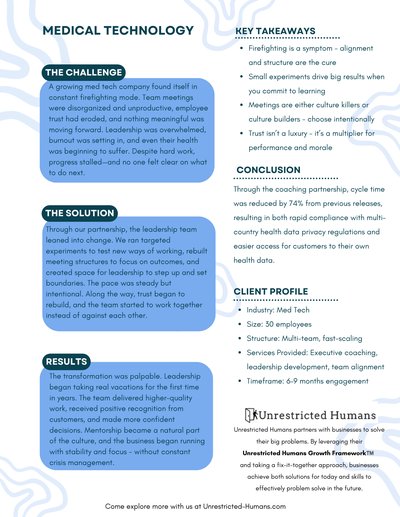
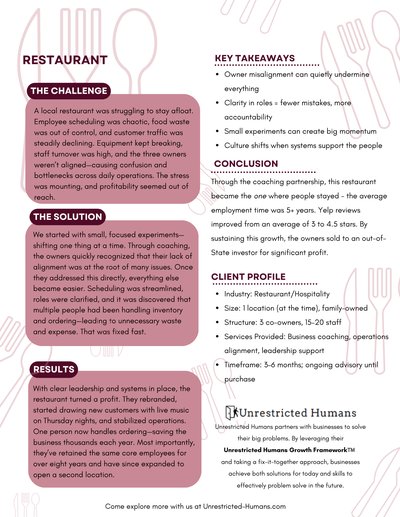
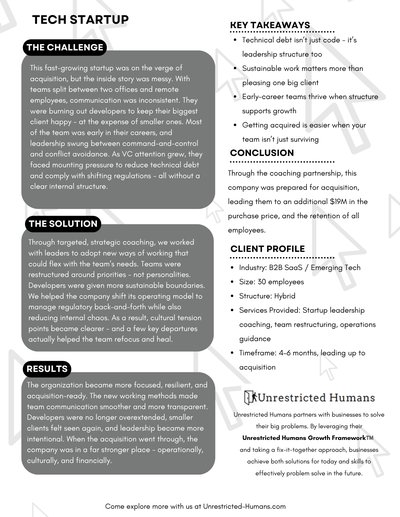
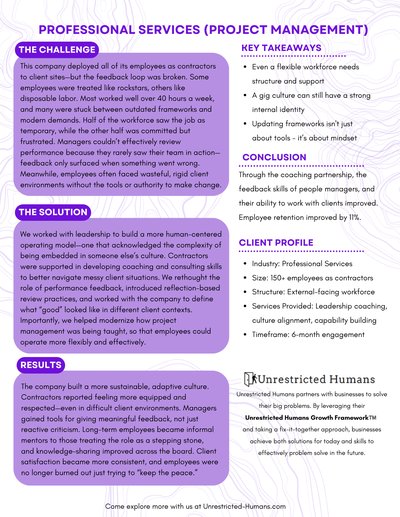
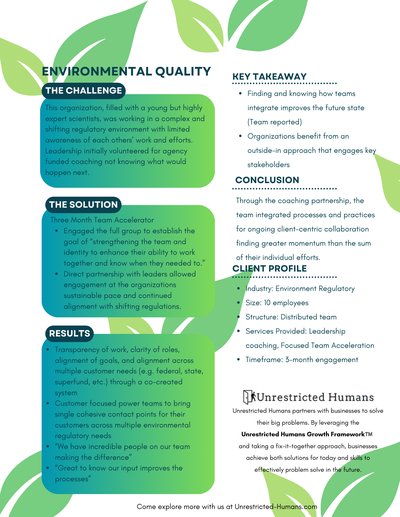
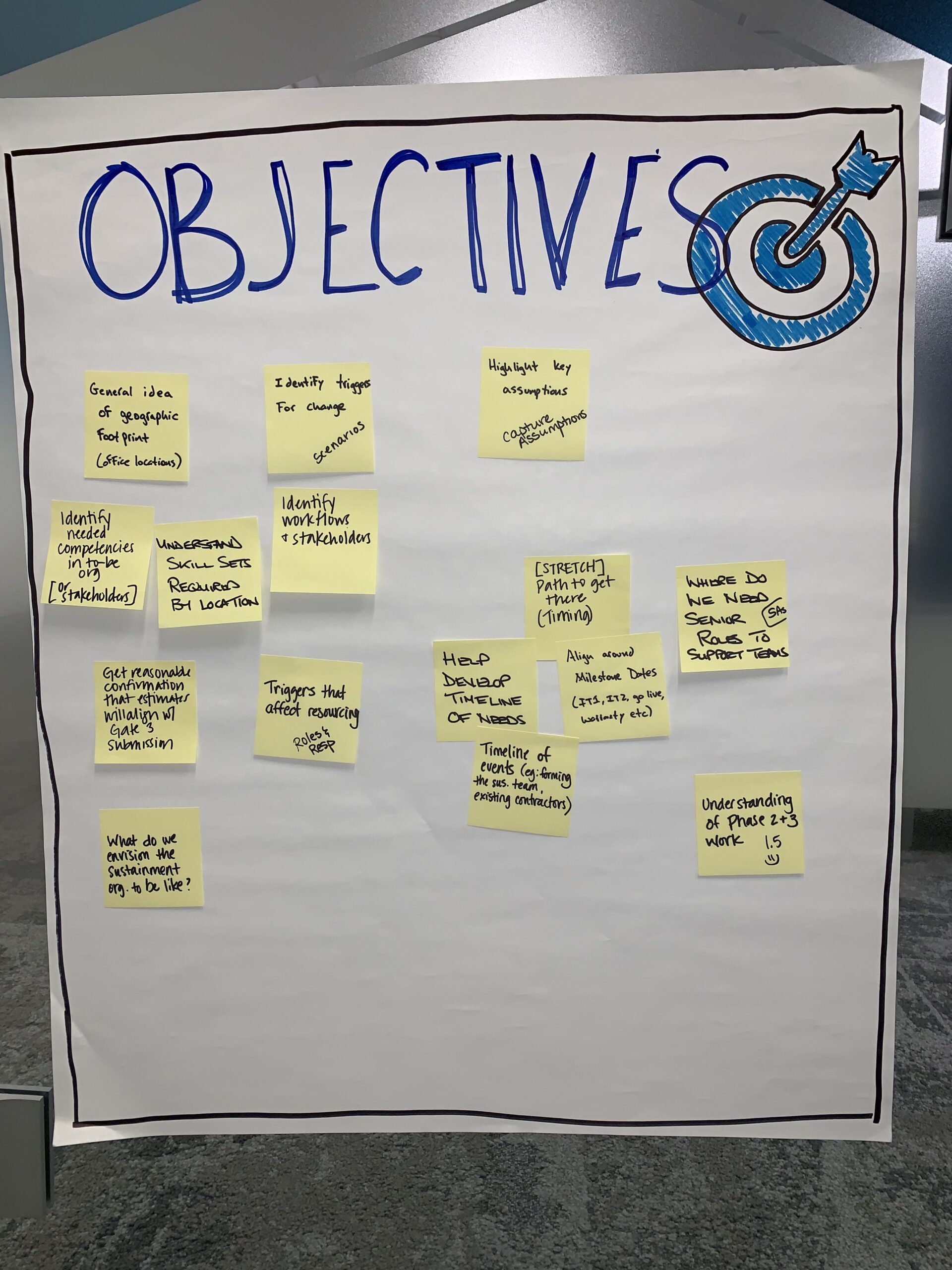
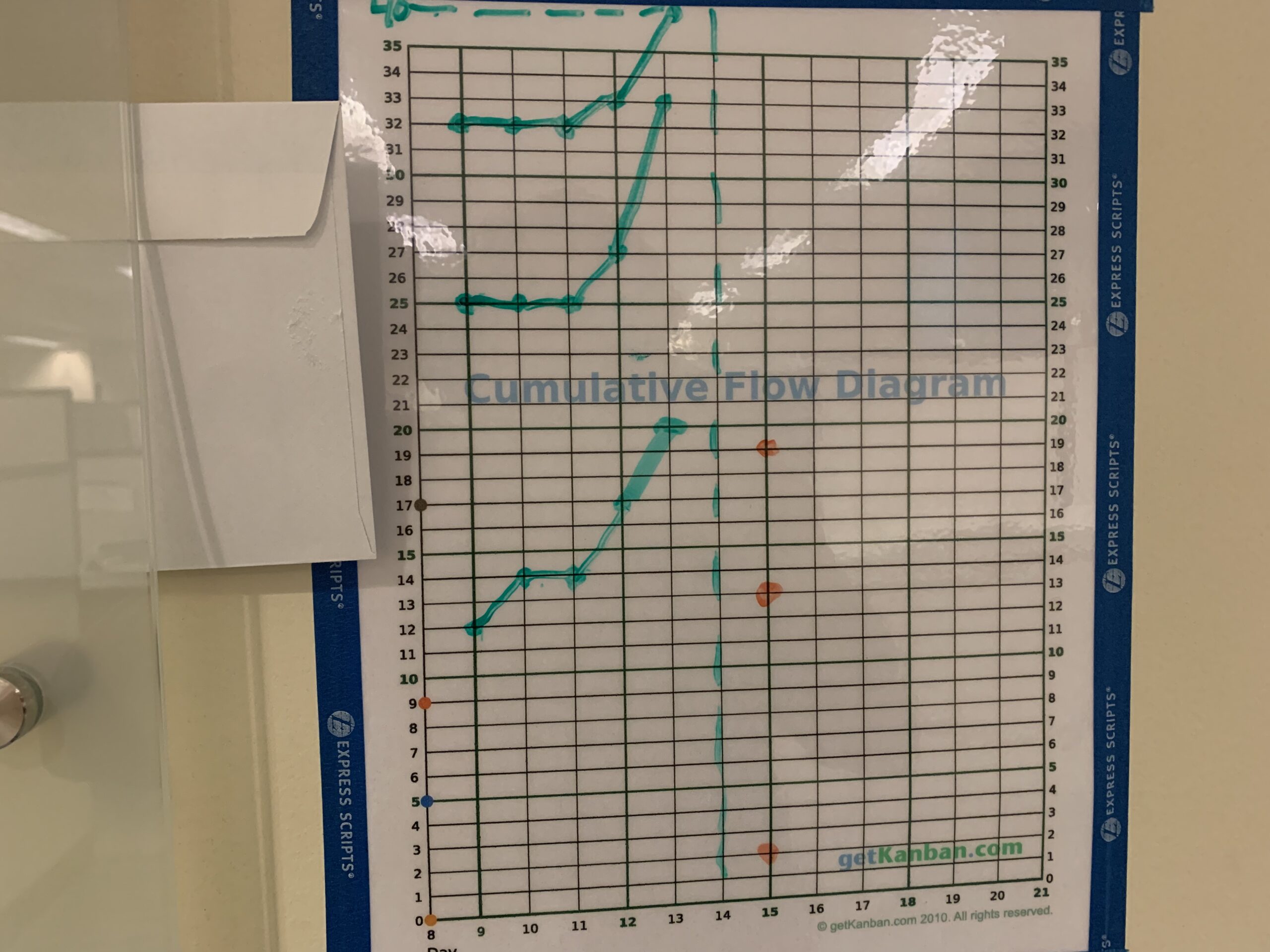
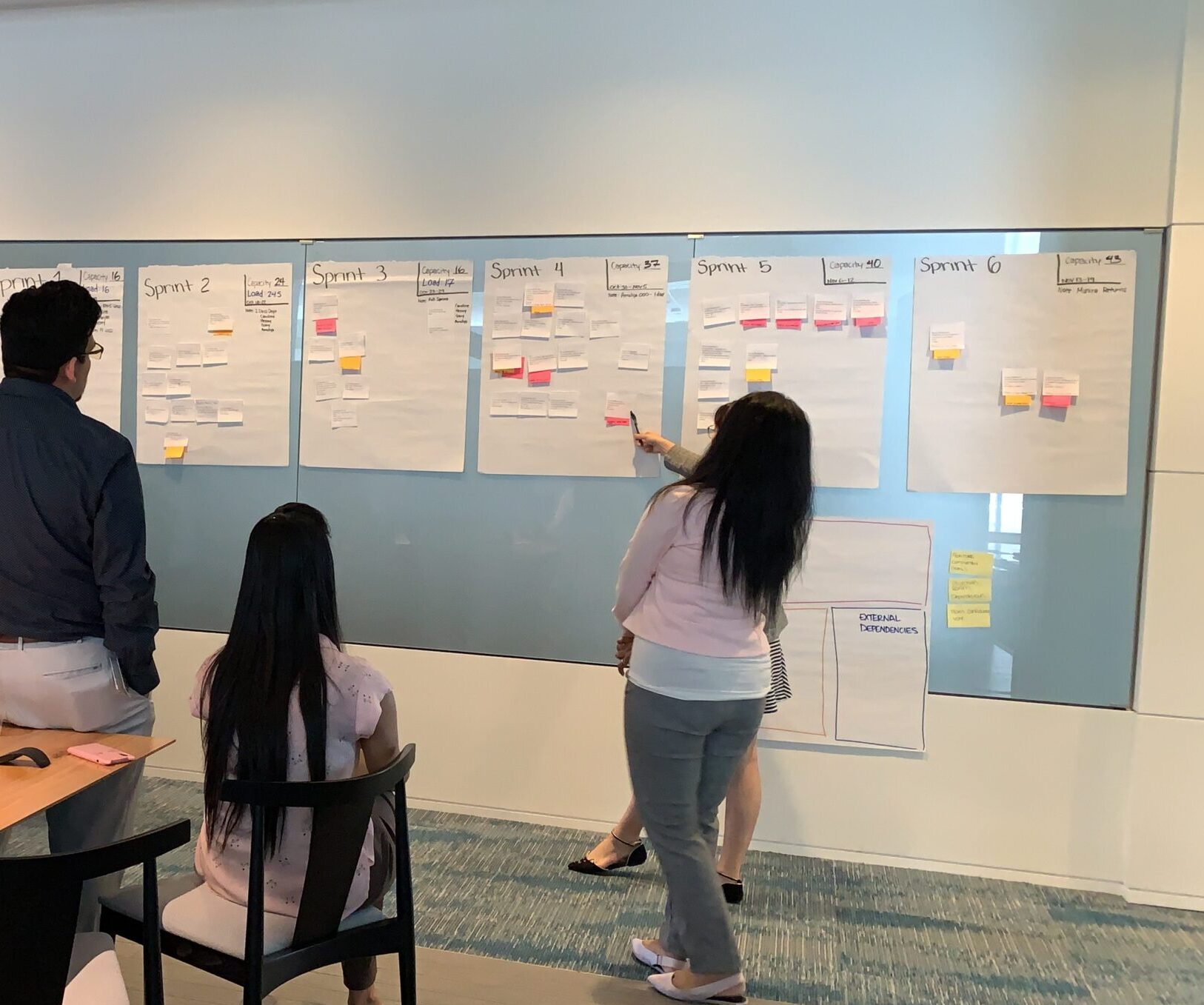
Every engagement is different. The industry, the size, the specific problem – all of it varies. What doesn’t vary is the approach: diagnose the real issue, build the solution together, leave the team equipped to handle the next one. These five engagements show what that looks like across different contexts.

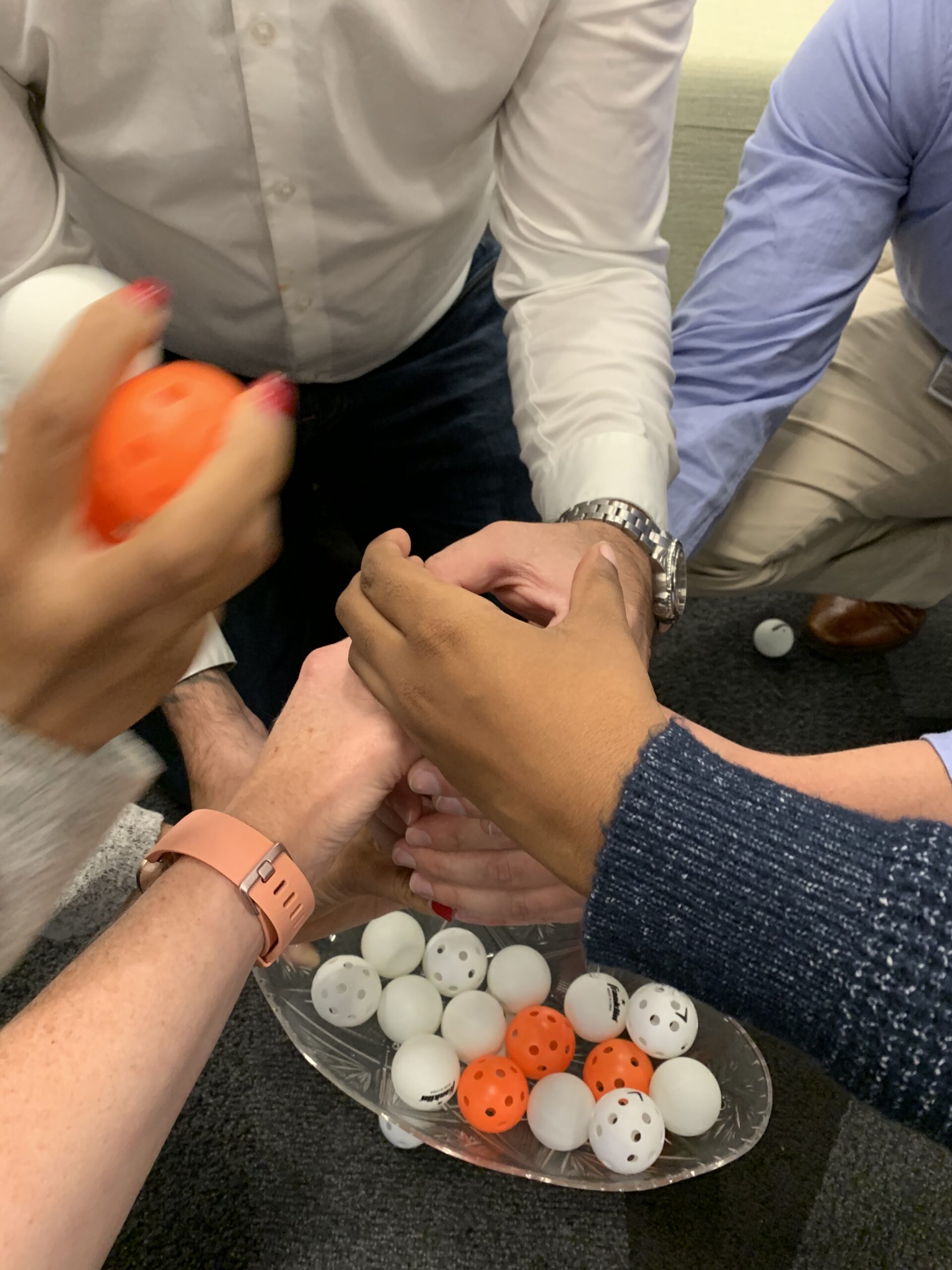
WHY IT WORKS
Context over cookie-cutters.
Every business is different. The industry, the team, the history, the founder’s relationship with risk – all of it shapes what the right answer is. A framework that ignores context isn’t a framework. It’s a template.
The UHG Framework is structured. It has a clear sequence and clear outcomes at each step – but it’s not rigid. The systems we leave behind are shaped by the people who will use them.
That’s why the results stick. Not because the method is sophisticated. Because the people who have to live with the outcome helped build it.
THE RIGHT PROBLEM FIRST
Speed in the wrong direction isn’t progress. We invest in the assessment so that everything that follows is pointed at the actual issue.
CO-CREATION OVER DELIVERY
We don’t build solutions and hand them over. WE build them with the people who will use them because that’s what makes them stick.
CAPABILITY, NOT DEPENDENCY
Every engagement is designed to end with the client more capable than when it started. That’s what we measure success by – not how much they need us next time.
HONEST OVER CAPABLE
We name the thing others avoid naming. That’s not challenging for its own sake – it’s how real change starts.
READY TO START
The framework works in practice
Every engagement starts with a single focused conversation. No pitch inside. No obligation after. Just an honest look at what’s blocking you, and what to do about it.